Ever stared into your washing machine, utterly bewildered as it gyrates and pauses in ways your grandma’s old workhorse never did? You’re not alone. Modern washing machines, with their fancy features and water-saving technology, can sometimes feel like they’re speaking a different language, especially when the spin cycle goes rogue.
Unlike the simpler machines of yesteryear, today’s washers boast a complex array of sensors, algorithms, and energy-efficient designs. This complexity, while offering benefits, also means that troubleshooting spin cycle issues can feel like deciphering a cryptic code. But don’t worry, you don’t need to be a technician to understand what’s going on.
This guide is your key to unlocking the mysteries of the modern washing machine spin cycle. We’ll dive into diagnosing common problems, explore DIY fixes you can attempt, and guide you through optimizing your machine for peak performance. And, of course, we’ll discuss when it’s time to throw in the towel and call a professional for washer repair. Consider this your friendly guide to conquering the confusing world of spin cycles and keeping your laundry routine running smoothly.
Decoding Modern Spin Cycles: It’s Not Your Grandma’s Washer
Forget what you know about your grandma’s washing machine! Today’s washers are a whole different beast, packed with sensors, driven by complex algorithms, and engineered for maximum energy efficiency. This leap in technology means the spin cycle isn’t just about slinging your clothes around; it’s a carefully orchestrated dance between mechanics and microchips. Modern machines, often referred to as high-efficiency (HE) washers, aim to use less water and energy.
The Rise of High-Efficiency (HE) Washers
The push for energy efficiency has led to the rise of HE washers. These machines are designed to use significantly less water than traditional models. We’re talking a serious reduction – sometimes half the water or even less! But less water impacts the spin cycle. Think about it: water helps to ‘carry away’ the moisture during the spin. With less water to start with, the clothes might feel a little damper at the end, even though the machine is working perfectly. This can lead to the misconception that it’s faulty when actually it is functioning as intended. HE washers can dramatically reduce water and energy consumption; that’s a win for the planet and your utility bill! The side effect is a slightly different laundry experience.
Sensor Overload: How Smart Washers ‘Think’
Modern washers aren’t just machines; they’re like mini-computers with a laundry addiction with a symphony of sensors constantly monitoring what’s going on inside. These sensors measure everything from the weight of the load to the water level and even vibrations. All this data feeds into the washer’s control system, which then makes real-time adjustments to the spin cycle. For instance, If the sensors detect an ‘out of balance’ load – maybe you threw in a heavy blanket without anything else – the washer might pause the cycle, slow down the spin speed, or even redistribute the clothes to try and correct the imbalance. These ‘adaptive cycles’ are all about protecting the machine and ensuring your clothes are cleaned effectively, but it can also mean the spin cycle behaves in ways you might not expect, leading some to believe the machine isn’t performing correctly.
The Culprits Behind the Chaos: Diagnosing Why Your Spin Cycle Feels ‘Off’
The Unbalanced Load: The Usual Suspect
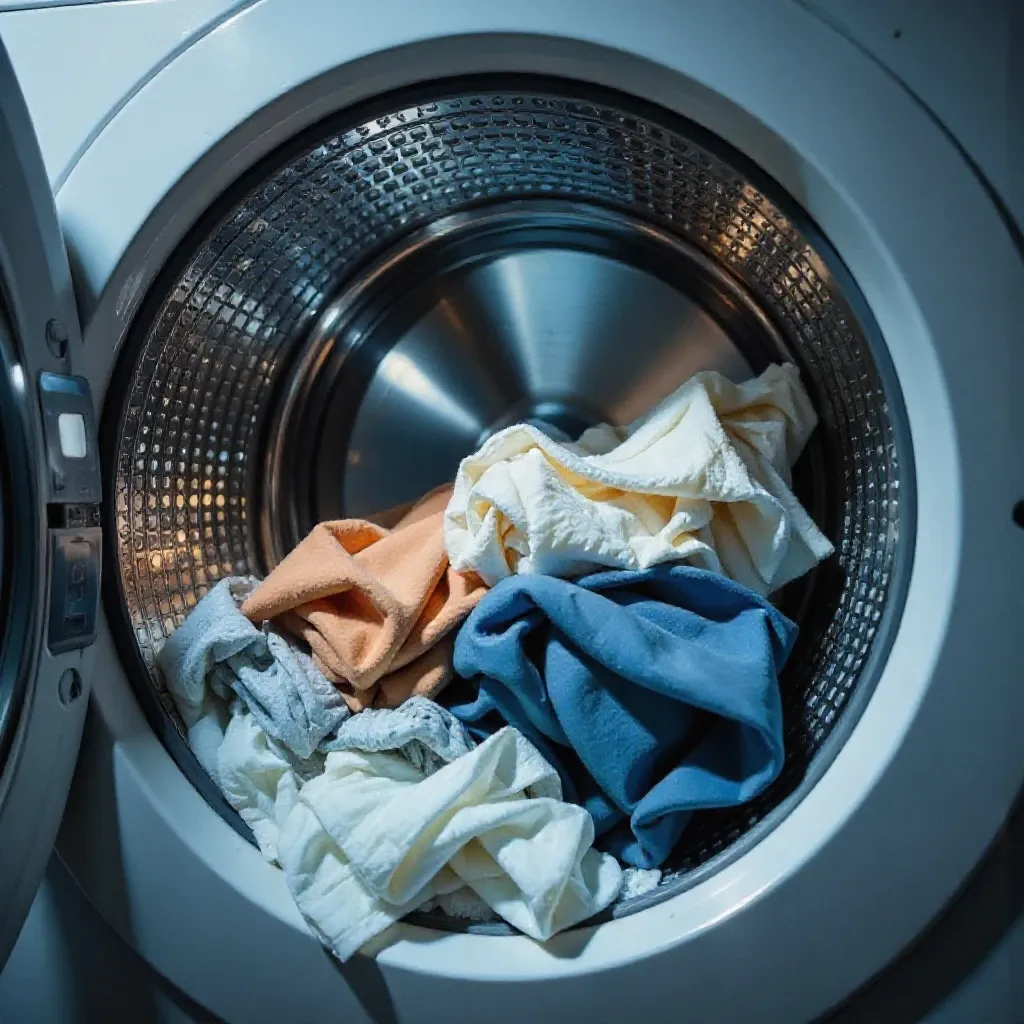
An unbalanced load is a frequent cause of spin cycle problems. It typically involves bulky items like blankets or a small number of heavy articles clumped together. This uneven distribution causes excessive vibration. The washer’s sensors detect this instability, interrupting the spin cycle to prevent damage. The machine will then attempt to redistribute the load by re-agitating it and re-attempting the spin. However, if the imbalance persists, the cycle will repeatedly be disrupted. Signs of an unbalanced load include the washer shaking violently, loud banging noises during the spin, and the cycle stopping prematurely.
Mechanical Missteps: When Parts Fail
When dealing with a malfunctioning spin cycle, it’s essential not to immediately jump to conclusions about complex issues. Start with the basics. I recall one instance where a friend was convinced his washer’s motor was shot, only to discover a stray sock wedged between the inner and outer tubs.
Sometimes, the problem lies within the machine’s mechanical components. Key culprits include the drive belt, which transfers power from the motor to the drum. A worn or broken belt can cause squealing noises or a complete failure to spin. The motor coupler connects the motor to the transmission; its failure often results in a lack of agitation and spinning. Suspension rods dampen vibrations during the spin cycle. If these rods are damaged, expect excessive shaking and noise. Always prioritize safety when inspecting or repairing these components. Disconnect the power supply before starting any work and be cautious of moving parts. Remember, even a seemingly simple fix can be dangerous if approached without proper care.
Troubleshooting Like a Pro: Practical Fixes You Can Implement Now
Rebalancing the Load: A Simple Solution
Is your washing machine shaking, thumping, or refusing to spin? The simplest fix is often the easiest: rebalancing the load. Unevenly distributed laundry is a common culprit behind spin cycle failures. How to do it? Open the washer and redistribute the items. Aim for an even distribution around the drum. Bulky items like blankets or towels can create significant imbalances. If you’re washing just a few items, consider adding a couple of towels to help balance the load. Make sure not to overload the machine, as this can also prevent proper spinning. A too-full washer restricts movement and puts extra stress on the motor and belts. Try removing some items to see if that helps.
Basic Component Checks and Replacements
If rebalancing doesn’t solve the problem, a quick inspection of a couple of key components might be in order. Safety first: Always unplug your washing machine before attempting any repairs! A common issue is a worn-out or broken drive belt. The drive belt connects the motor to the drum, and if it’s damaged, the drum won’t spin properly. To check it, you’ll typically need to remove the washer’s access panel (usually located at the back). You’ll likely need a screwdriver or nut driver. Once open, look for the belt. Visually inspect the belt for cracks, fraying, or breakage. If damaged, replace it with a new belt of the correct size (refer to your washer’s model number for the correct part). Installation involves slipping the new belt around the pulleys of the motor and drum. Another component to check is the motor coupler, which connects the motor to the transmission. A worn coupler can prevent the motor from transferring power. The motor coupler is usually located between the motor and the transmission. Check it for any cracks, breaks or worn pieces. If so, this piece can be removed with pliers or a screwdriver. Replacement is the opposite of removal.
Beyond the Fix: Optimizing Your Spin Cycle for Performance & Longevity
So, the washing machine is no longer making that awful noise? Excellent! But the journey doesn’t end with just silencing the squeaks. Think of it this way: we’re shifting gears from triage to training. The goal now becomes maximizing the cleaning power of your machine and extending its lifespan. Washer maintenance isn’t just about reactive repairs; it’s a proactive investment. Properly caring for your appliance not only saves money in the long run by avoiding costly breakdowns but also ensures consistently cleaner clothes. This section details spin cycle optimization and appliance care with actionable steps to ensure years of reliable service. Let’s transform that trusty washer from a potential problem back into a cleaning champion.
Choosing the Right Detergent: More Isn’t Always Better
Detergent: it seems so simple, right? But choosing the right one, and using the correct amount, is essential for optimal washing machine performance. High-Efficiency (HE) detergents are formulated with fewer suds, designed specifically for newer, low-water machines. Standard detergents can create excessive suds in these machines, hindering cleaning and potentially damaging the appliance. More detergent doesn’t equal cleaner clothes! Overuse leads to residue buildup in the machine and on clothes, sometimes affecting the correct workings of some sensors. Follow detergent instructions, adjusting based on load size and soil level while prioritizing HE when indicated. Also, ensure that you store it properly.
Regular Maintenance: Keeping Your Washer Healthy
Think of your washing machine like a car; it needs regular maintenance to perform at its best. Create a washer maintenance checklist. Wipe down the dispenser regularly to prevent clogs. Periodically run a cleaning cycle with vinegar or bleach (check your washer’s manual first!). This breaks down dirt, grime, and mineral deposits that accumulate over time. Preventive maintenance is crucial for appliance longevity. Always consult your owner’s manual for specific maintenance recommendations tailored to your machine. Neglecting this routine can lead to reduced cleaning effectiveness and, eventually, costly repairs. A little effort goes a long way in keeping your washer happy and healthy.
When to Call an Expert: Recognizing Problems That Require Professional Help
Washers, like all appliances, can have issues. While some problems are easy to fix, others are beyond the scope of a simple DIY project. Knowing when to call a professional appliance technician can save time, money, and potential hazards. Protect your appliance and yourself recognizing when the problem is beyond your capabilities and requires expert attention. It is a responsible decision.
Electrical Issues: A Definite No-Go Zone
Any electrical issue involving your washer is an immediate red flag. Sparks, burning smells, or constantly blown fuses are warning signs. Electrical repair should be left to a qualified professional with the right safety grounding and experience. Attempting to handle electrical wiring without training can lead to electrocution or fire. Find a reputable appliance repair service and prioritize electrical safety.
Major Mechanical Failures: Transmission and Motor Issues
The washer’s transmission and motor are crucial components. If the washer is making strange noises without spinning, or not agitating the symptoms point to motor or transmission problems. Repairing or replacing these parts can be complex and often requires specialized tools and diagnostic equipment. It’s best to seek assistance from an expert repairman for accurate diagnosis and proper repair of these major mechanical failures. Don’t risk damaging your appliance further, call for professional help.
Conclusion
Navigating the world of modern spin cycles might seem daunting, but understanding their mechanics and common issues empowers you to tackle basic troubleshooting. From identifying unusual noises to addressing drainage problems, a little knowledge goes a long way in keeping your washing machine running smoothly. Regular maintenance, like cleaning lint traps and checking hoses, can prevent many headaches and extend the life of your appliance.
As washing machine technology continues to evolve, staying informed about the latest advancements and potential issues is essential. Empower yourself with knowledge, approach problems methodically, and don’t hesitate to seek professional help when needed. With a proactive approach, you can keep your spin cycle spinning efficiently for years to come. Now, put your newfound knowledge to good use and keep your laundry routine on track! If you have any questions, feel free to ask!